![Low Libido ED [Impotence]](https://bizimages.withfloats.com/new-converted/6881695f9f1002314e72dcfb.jpg)
Low Libido ED [Impotence]
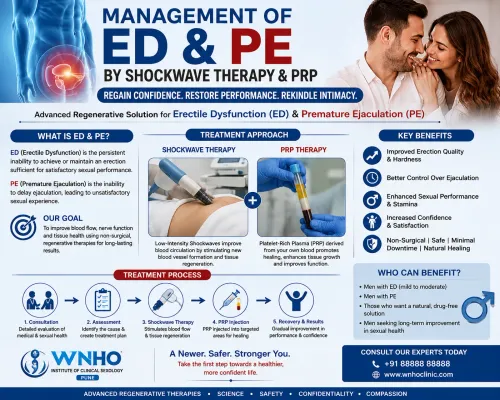
All You Should Know About Erectile Dysfunction & Low Libido. • Erectile dysfunction, also called impotence, is the inability to attain or maintain an erection of the penis that is firm enough for penetration during sexual intercourse.
To initiate and maintain an erection , the penis must fill with blood. Nerve signals stimulate this engorgement. They prompt the blood vessels in the penis to expand so blood can fill it. Meanwhile, other blood vessels constrict, trapping blood inside. Causes of Erectile Dysfunction •
• Venous Leak: If the blood vessels (veins)which normally compress during an erection do not fully compress, an erection may not be attainable or may not last long. This can be caused by injury or diseases which prevent the full expansion of the vessels (arteries) which normally expand with blood.] •
• Neurovascular Function: Erection cannot be attained if nerve signals do not prompt blood vessels to do their job or if blood flow to the penis is reduced. Nerve dysfunction can also diminish feeling in the penis, resulting in impotence.
Many medications can cause erectile dysfunction by impairing either vascular or nerve function. Medical conditions that can lead to neurovascular dysfunction include: •
1. Diabetes: can interfere with nerve signals•
2. Arteriosclerosis (hardening of the arteries): can reduce blood flow •
3. Peripheral neuropathy, spinal cord injury, and surgery: can damage nerves.
• Psychological Factors: Psychological factors account • Neurovascular Function: Erection cannot be attained if nerve signals do not prompt blood vessels to do their job or if blood flow to the penis is reduced. Nerve dysfunction can also diminish feeling in the penis, resulting in impotence. Many medications can cause erectile dysfunction by impairing either vascular or nerve function. Medical conditions that can lead to neurovascular dysfunction include: • 1. Diabetes: can interfere with nerve signals•
2. Arteriosclerosis (hardening of the arteries): can reduce blood flow •
3. Peripheral neuropathy, spinal cord injury, and surgery: can damage nerves •
• Psychological Factors: Psychological factors account of erectile dysfunction cases. The brain initiates many of the A risk factor increases your chance of getting a disease. Some risk factors can be avoided, such as smoking. Other risk factors you may have no control over, such as your genetic make-up. If you have a risk factor for erectile dysfunction that you can and do change, you may reduce your risk. To reduce your risk of becoming impotent: •
• Manage your medical conditions. • Talk to your doctor about changing medications. •
• Maintain a healthful diet and exercise program• Quit smoking. •
• Do not use recreational drugs. •
• Consider counselling. 1. Manage Medical Conditions: Some cases of erectile dysfunction are due to chronic diseases of2. Follow this link to join my What's App group: https://chat.whatsapp.com/IOxyobAquix6mqUnHMnlOX?mode=ac_t 3. With Regards4. Dr. Ramesh Maheshwari [Sexologist] & Director. MBBS MD , DPM DHPh (UK), PhD[Sexology]
Honorary Sexual Medicine Consultant at Aditya Birla Memorial Hospital, Pune & Hon. Assist. Professor Dr. D. Y. Patil Medical College, Chinchwad.
Founder of WNHO Group Of Institutes, WNHO Wellness Franchisees.
8. Mobile WhatsApp 9822006427 Email -drrameshm2@gmail.com/wnhohealthcarepvt.ltd@gmail.com. www.wnhohealthcare.com/www.sexologyinstitute.co.in.
All You Should Know About Erectile Dysfunction & Low Libido. • Erectile dysfunction, also called impotence, is the inability to attain or maintain an erection of the penis that is firm enough for penetration during sexual intercourse.
To initiate and maintain an erection , the penis must fill with blood. Nerve signals stimulate this engorgement. They prompt the blood vessels in the penis to expand so blood can fill it. Meanwhile, other blood vessels constrict, trapping blood inside. Causes of Erectile Dysfunction •
• Venous Leak: If the blood vessels (veins)which normally compress during an erection do not fully compress, an erection may not be attainable or may not last long. This can be caused by injury or diseases which prevent the full expansion of the vessels (arteries) which normally expand with blood.] •
• Neurovascular Function: Erection cannot be attained if nerve signals do not prompt blood vessels to do their job or if blood flow to the penis is reduced. Nerve dysfunction can also diminish feeling in the penis, resulting in impotence.
Many medications can cause erectile dysfunction by impairing either vascular or nerve function. Medical conditions that can lead to neurovascular dysfunction include: •
1. Diabetes: can interfere with nerve signals•
2. Arteriosclerosis (hardening of the arteries): can reduce blood flow •
3. Peripheral neuropathy, spinal cord injury, and surgery: can damage nerves.
• Psychological Factors: Psychological factors account • Neurovascular Function: Erection cannot be attained if nerve signals do not prompt blood vessels to do their job or if blood flow to the penis is reduced. Nerve dysfunction can also diminish feeling in the penis, resulting in impotence. Many medications can cause erectile dysfunction by impairing either vascular or nerve function. Medical conditions that can lead to neurovascular dysfunction include: • 1. Diabetes: can interfere with nerve signals•
2. Arteriosclerosis (hardening of the arteries): can reduce blood flow •
3. Peripheral neuropathy, spinal cord injury, and surgery: can damage nerves •
• Psychological Factors: Psychological factors account of erectile dysfunction cases. The brain initiates many of the A risk factor increases your chance of getting a disease. Some risk factors can be avoided, such as smoking. Other risk factors you may have no control over, such as your genetic make-up. If you have a risk factor for erectile dysfunction that you can and do change, you may reduce your risk. To reduce your risk of becoming impotent: •
• Manage your medical conditions. • Talk to your doctor about changing medications. •
• Maintain a healthful diet and exercise program• Quit smoking. •
• Do not use recreational drugs. •
• Consider counselling. 1. Manage Medical Conditions: Some cases of erectile dysfunction are due to chronic diseases of2. Follow this link to join my What's App group: https://chat.whatsapp.com/IOxyobAquix6mqUnHMnlOX?mode=ac_t 3. With Regards4. Dr. Ramesh Maheshwari [Sexologist] & Director. MBBS MD , DPM DHPh (UK), PhD[Sexology]
Honorary Sexual Medicine Consultant at Aditya Birla Memorial Hospital, Pune & Hon. Assist. Professor Dr. D. Y. Patil Medical College, Chinchwad.
Founder of WNHO Group Of Institutes, WNHO Wellness Franchisees.
8. Mobile WhatsApp 9822006427 Email -drrameshm2@gmail.com/wnhohealthcarepvt.ltd@gmail.com. www.wnhohealthcare.com/www.sexologyinstitute.co.in.
Keywords