
The development of clinical cosmetology represents an important breakthrough in the development of medical sciences. Great technological developments have already taken place in this field and many are yet to occur. In parallel, there is a growing interest from the medical community and the patients looking for personalized aesthetic solutions.
The Postgraduate Diploma in Clinical Cosmetology (PGD by WNHO)equips students with the knowledge and expertise required to be experts in cosmetology treatments.
WHO follows world-class curricula and focuses on international guidelines to provide the latest training to students and make them highly competent medical professionals.
WHY THIS COURSE?
As modern medical science and aesthetic beauty treatments combined, clinical cosmetology arose as a completely new field, flourishing at an astounding speed in recent years in India as well as abroad.
Subsequently, there has been an increase in demand by medical scholars and practicing doctors for medical institutes that can impart certifications in the growing field of cosmetology.
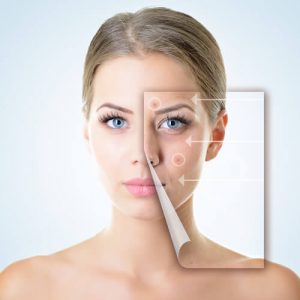
Peeling is the application of a chemical agent to bring about exfoliation of the epidermis with the remodeling of the collagen and elastin fibers in the dermis.
A peel removes several layers of sun-damaged skin cells, leaving fresh skin, which has a more even surface and color.
It may stimulate new collagen to be formed improving texture.
The result of the first peel may be disappointing, but after repeated peels, significant improvements are usually evident.
Principles of chemical peels
⦁ Exfoliation of the superficial dead layer of skin (Stratum Corneum)
⦁ Promotes collagen production
⦁ Stimulates new cell growth
⦁ Cleansing of clogged pores
⦁ Reduces production of the sebum by the oil glands
⦁ Regulation of moisture level
Chemical Agents used for peeling
⦁ AHA----Alpha Hydroxy Acids- i.e Glycolic Acid, Lactic Acid, Mandelic acid
⦁ BHA----Beta Hydroxy Acids- i.e Salicylic Acid
⦁ PHA----poly Hydroxy Acids – combination peel
⦁ TCA----Trichloroacetic Acid
⦁ Phenols----Carbolic Acid
Types of peels
⦁ Very Superficial ----Glycolic acid
⦁ Superficial ----Lactic acid
⦁ Medium ----PHA, Salicylic acid, TCA
⦁ Deep ----Phenols
Of these peels, the Alpha Hydroxy Acids are the most commonly used.
Introduction –Benefits of AHA’s were first discovered by Dr. Eugene van Scott in 1970.
AHA- Alpha hydroxyl acids----They are also called fruit acids as they occur naturally in certain fruits.
Different AHA’s with their sources-----
⦁ Glycolic Acid – Sugarcane
⦁ Lactic acid – Fermented milk
⦁ Mandelic Acid –Bitter Almonds
⦁ Malic acid – Apples
⦁ Tartaric acid- Grapes
Of these the Glycolic acid &Lactic acids are used generously.
Glycolic acid has the smallest molecular weight and is easily able to penetrate the skin. It is a weak acid. It has a keratolytic action .with higher pH it acts as a moisturizer. since it is a weak acid it does not have a self-neutralizing action by coagulation of proteins hence it has neutralized with water or a weak buffer.
Glycolic acid results in superficial skin injury and are well tolerated-the ‘lunchtime’ peel. They remove a thin lesion on the skin surface, reducing pigment and surface dryness.
There are newer glycolic peels that are most potent and still do not irritate. These peels contain Strontium Nitrate. One such brand widely used is Refinity(70% glycolic acid+strontium nitrate) and Cosmoderm(50%glycolic acid+strontium nitrate)
INDICATION OF GLYCOLIC ACID
1) Acne
2) Hyperpigmentation
3) Freckles
4) Fine lines and wrinkles
5) Sunspot
6)Open pores
7) Clogged pores
8) Under eyes dark circles
CONTRAINDICATIONS:
1)Active infection
2) Open cuts
3) Photosensitivity
4) Past reaction to the peel

5) Facial surgery in three months
QUALITIES OF GLYCOLIC ACID:
Full face or spots
Very superficial
Expensive
Long life
Available as liquid
Difficult to prepare
PRIMING:
Preparing the skin before the peel
Priming is done for 10 days daily with a lower concentration of glycolic acid (6%) applied only at night. Stop application on days 11,12,13th and the pel is done on the 14th day.
BENEFITS OF PRIMING :
1) More uniform penetration of the peel
2) Reduces the risk of hyperpigmentation
3) Reduces wound healing time
PEEL SENSITIVITY TEST:
It is done on the side of the neck to detect sensitivity to the peeling agent During this first apply 20% GA and watch for 3 mins. The patient will feel slight burning or itching sensation. If this sensation is mild with no redness in the area for 3 mins that means the patient can tolerate the peeve l on the face. So wash the peel with cold water and proceed to the face.
On the hand, if after application you notice redness within 1-2 mins then immediately neutralize the part. Dilute the peel with 2 drops of rose water, and repeat the test patch on the other side of the neck. If patients tolerate this then do the diluted peel on the face.
On the day of peel:
Materials Required for peel----
⦁ Required peel
⦁ Neutraliser
⦁ Measuring cups x2
⦁ Brush x 2
⦁ Cleanser
⦁ Vaseline
⦁ Earbud
⦁ Headband
⦁ Cotton
⦁ Rose water
⦁ Eye pads
⦁ Mask
⦁ Sunscreen
PROCEDURE:
1)Elevate the client's head by 45 degrees.
2) Tie the Headband
3) Cleanse the face with pre-peel cleanser ( to be used according to the skin texture, I. e. oily, normal, dry, etc)
4)Apply Vaseline to sensitive areas like the outer and inner canthi of the eyes, angle of the mouth, and nose with an earbud.
5) If the client is about to undergo peeling for the first time, then a Peel Sensitivity Test should be performed.
6) Apply 1 ml 20 % Glycolic acid in stroke with a peel brush. As you touch the peel brush on your face starts the timer. Strokes should be outward to inward, single stroke application approximately time of application should be 45 secs and peel to be kept for 3 mins only. This 3 min includes your time of application also.
7) Mild itching and burning sensation is experienced, which is normal.
8) After 3 mins, dab the under eye and upper eye with cold water 1st then neutralize the rest of the face with 2ml of neutralizer.
9) Neutralization of peel can be done 2-3 times in the same manner During neutralization patient feels a warm sensation. This is due to the acid-base reaction.
10) then clean the face with cold water and give a cold compress to the face when the patient complains of any burning.
11) Apply face mask for 20 mins.
12) Remove the mask and apply sunscreen according to the skin type.
Precautions: While doing peel if there is unbearable burning, stinging, or frosting immediately neutralize the peel with a cold compress.
POST PEELING CARE –
1) Can wash with plain water after 2 hours. Soap can be applied after 12 hours.
2) There will be mild redness for 1-2 hours.
3) Avoid direct sunlight. Apply sunscreen 20 min before sun exposure.
4) Avoid swimming and sweating for 2-3 days.
5) No facial bleach, threading, waxing, or plucking for 7 days before and after the peel.
6) Avoid make-up for 12 hours.
7) Do not use medicated cream for 2days before and after the peel.
8) Do not pick, Picking delays healing and causes scarring.
9) Moisturize- use moisturizers after the peel.
OTHER PEELS-
1 ) BETA HYROXY ACID – SALICYLIC ACID –
Salicylic acid is derived from sweet birch, willow bark, and wintergreen leaves. It is lipophilic and acts as a keratolytic agent by dissolving the intercellular lipids, surrounding the keratinized epithelial cells. Due to its lipophilic nature, it acts on the sebaceous follicle, has excellent comedolytic activity,y and hence is very useful for acne. It has anti-inflammatory and antimicrobial properties.
INDICATIONS:
# Active pustular acne
# Open pores
PROCEDURE—
Salicylic acid is used only as spot peel.
DO NOT USE ON FULL FACE.
Used in combination with a glycolic peel.
2) POLY-HYDROXY ACID PEEL-
Also called body peel. To be used only on the body.
INDICATION:
Fine lines and wrinkles
Rehydration of skin
Dark back, elbow, forearms
Pigmented feet, hands
PROCEDURE-Same as glycolic acid. Only in this case test patch not required as we are doing on the body. Cleaning, application, timer, and neutralization remain the same. Post Peel Instructions remain the same for all peel procedures.
SKIN WHITENING PEEL—(PEEL BOOSTER)---
INDICATIONS
*Tanned skin
*Pigmented skin
*Melasma
*Dark underarms, hands, feet…
PROCEDURE:
*Elevate the client's head by 45 degrees
*Tie headband
*Cleanse the face with pre-peel cleanser( to be used according to the skin texture .i.e.oily, normally dry, etc.)
* Apply Vaseline to sensitive areas like outer and inner canthi of eyes, angle of mouth, and nose with an earbud.
*Take 1 ml of peel booster in a measuring cup and with the brush apply it in the same direction on the entire face. NO TIMER is required. After application let it dry completely.
* After drying now over the booster apply 1ml of glycolic acid 20% ( here timer is necessary)
* Time for 3 mins if the patient is comfortable then neutralize after 3 min.
2)LACTIC ACID PEEL:-
INDICATIONS:
-Sensitive skin
-Dehydrated dull skin
-Under eyes dark circles
4) DARK CIRCLE PEEL:-
INDICATIONS:--
⦁ Under eye dark circles.
⦁ Periorbital melanosis
⦁ Fine lines, wrinkles
⦁ Open pores.
5)ANTIACNE PEEL:-
INDICATIONS:-
*Acne
*Boils, Pustules.
*Folliculitis
DIFFERENCE BETWEEN AHA and BHA
AHA BHA
1) They are water soluble 1)They are lipid soluble
2) Has keratolytic action. 2) Anti-inflammatory, anti-microbial, comedolytic
3) Requires neutralization 3) No neutralizer is required
4) No frosting occurs 4) Pseudofrost occurs
5) Glycolic 5)Salicylic
6)For pigmentation 6) For acne
7) Prepared from sugarcane 7) Prepared from
Sweet birch, willow bark,
Wintergreen leaves.
Combination Peels – Multiple peeling agents in combinations are used to complement their synergistic activity and enhance their efficacy and depth.
E.g. Salicylic acid with a Mandelic acid targets the Seborrhea, residual acne, post acne pigmented early grade 1 scar as well as textural improvement. Mandelic acid has antibacterial properties and is safer for dark skin types.
Sequential Peels – One peel is printed and terminated and followed sequentially by another peel in the same sitting which can be terminated or left on slow release peel.
E.g. Salicylic acid followed by Mandelic acid, Glycolic acid, or Retinol peel. Salicylic acid peel followed by a TCA obtains moderate depth effects.
Switch Peels – Includes usage of different peeling agents in rotation in subsequent sittings. E.g. Salicylic acid or a Retinol peel in comedogenic or Inflammatory acne switched over after clearance to Glycolic, Mandelic, or phytic in subsequent sessions to improve scars and texture.
Slow Release Peels – Some peels work on the controlled (gradual)release of the product progressively and ensure complete penetration and full action of all components in the solution. Easy phytic peel is composed of three hydroxyl acids with phytic acid, 3 AHA are glycolic acid, lactic acid, and mandelic acid.
SKIN ANATOMY-

As you must be knowing skin is the largest organ of the body.
The surface area of skin is 1.7sq.m. and constitutes 16-20% of total body weight. Human skin is of two types :
1) Glabrous skin (non- hairy ) e.g. Palms & Soles
2) Non-Glabrous (hair-bearing )
Skin is divided into 3 layers-
1) Epidermis
2) Dermis
3) Subcutaneous layer
EPIDERMIS=
The epidermis is the outer layer of skin, which forms an outer protective covering of the body. Contains no blood vessels but has many small nerve endings. Consists of stratified epithelial cells. Varies in thickness on palms of hand and soles of feet, but thin and delicate on eyelids.
The free surface of the epidermis is marked by linear furrows and ridges of variable size.
It is arranged in five layers :
1) Stratum corneum
2)Stratum lucidum
3) Stratum granulosum
4) Stratum spinosum
5) Stratum germinativum
STRATUM CORNEUM OR CORNEAL CELL LAYER-
It contains dead flattened cells. Cells are generated in the stratum germinativum and old cells from the surface of the stratum corneum. The function of the stratum corneum is to keep the skin waterproof and prevent the skin from cracking and becoming open to bacterial infection. The continuous outward movement of epidermal cells constitutes a barrier for the agents which tend to penetrate the skin from outside. It takes 30 days for the cells to be reproduced in the stratum germinativum and move upwards to replace the cells on the skin surface.
STRATUM LUCIDUM-
It is thinner than the stratum corneum and is almost transparent This layer acts as a barrier controlling the
its function is the transmission of water through the skin.
STRATUM GRANULOSUM OR GRANULAR CELL LAYER -
This layer varies in thickness e.g. It is thickest in the palms of hands and soles of feet. These flattened cells have evidence of keratohyalin granules .which reflect light and give the skin a shiny look.
STRATUM SPINOSUM OR CELL LAYER OR MALPIGIAN CELL LAYER-
It contains a very fine filamentous structure called Tonofilaments, which consist of a long chain of amino acids. The cells in the layer have specialized cell wall structures called the Desmosomes, through which they are attached as well as to the cells of the basal cell layer. Tonofilaments are attached to the desmosome and form a Crisscross pattern in the cytoplasm of the cell and provide a sort of skeleton to the cells.
Stratum Germinativum
This is the deepest layer of the epidermis, which is in contact with the dermis below from which it gets nutrient fluid from the blood capillaries. This layer is regenerative . one in every 10 cells are melanocytes which produce melanin. Melanin the substance that gives color to the skin is a series of chemical reactions with the amino acid tyrosine.
Melanin protects the underlying layer of skin from the harmful effect of certain U.V. Rays.
It is the innermost layer of skin also called the True Skin. it is tough, flexible, and highly elastic. it is thicker on the palms of hands and soles of feet but is exceedingly thin and delicate on eyelids. It consists of connective tissue with elastic and collagen fibers and numerous blood vessels, lymphatic vessels, and nerves. It also contains sebaceous glands, hair follicles, etc.
The dermis is arranged in 2 layers :
1. Papillary Layer;
2. Reticular Layer
1. Papillary Layer
It contains more elastic tissue than collagen fibers. but it contains projections of elastic tissue that point upward into the epidermis called the papillae, which contain blood capillaries (small blood vessels) and nerve endings and nourish the epidermis. Collagen is a protein-based fibrous substance, the skin elastin to create tone& elasticity.
2. Reticular Layer
It lies in between the papillary and the subcutaneous layer. it contains more collagen fibers and less elastic fibers. It contains the following structures, in the network.
i. Fat cells
ii. Blood vessels
iii. Lymph vessel
iv. Sebaceous Glands
v. Sweat Glands
vi. Hair Follicles
vii. Director pilli muscles
3. Subcutaneous Layer
1) Lies below the dermis
2)It is a thick layer of loose connective tissue and fatty tissue. This tissue is also called adipose tissue.
3)This fatty tissue varies in thickness according to the age, sex, and general health of an individual.
4)It gives smoothness and contour to the body.
5) It stores fat for use of energy.
6) It serves as an insulating layer.
7)It acts as a protective cushion for the outer skin
FUNCTION OF SKIN=
1) Barrier function:
a) Permeability Barrier
b)Barrier of penetration of microorganisms and chemicals.
c) Mechanical barrier
2) Regulation of body temperature.
3) Sensory functions.
4) Immunological function.
5) Vitamin D synthesis.
6) Social and sexual communication.
WNHO courses are meeting the demands of such professionals who are eager to learn the intricacies of clinical cosmetology.
Clinical cosmetology courses conducted by WNHO are recognized under Government Recognised Startup WNHO Health Care Pvt. Ltd.
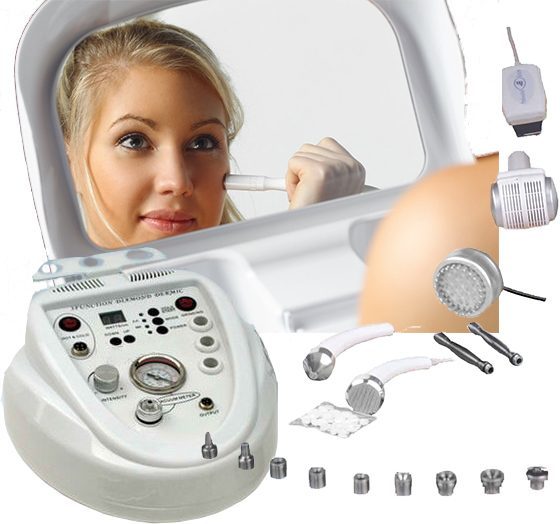
Microdermabrasion, or particle skin resurfacing, is the latest technology for skin exfoliation.
Micro meaning small, minute
Derma meaning skin
Abrasion means removing, scraping
Types
Microdermabrasion can be done in two ways
1) Crystal (Aluminium Oxide)
2) Diamond
Definition
Microdermabrasion is micro peeling of the uppermost layer of the epidermis (stratum corneum) through abrasion thus reducing the thickness of the same and allowing a brighter and smoother skin to emerge.
Crystal Microdermabrasion
The micro dermabarber uses a controlled vacuum to move the sterile microcrystals to abrade the stratum corneum which is the layer of dead cells on the skin. The microcrystals and abraded skin are then vacuumed away thus leaving behind a smooth and shiny glowing skin.
After multiple treatments, this skin renewal procedure can eliminate pigmented spots. It improves post-trauma scars and acne scars.
Microdermabrasion helps in removing dead and flaking skin cells to create an immediate improvement in your skin appearance. The unique approach stimulates the production of fresh young skin cells and collagen. It is the ultimate advancement in non-surgical, non-invasive skin conditioning.
Microdermabrasion is a safe non-surgical approach to skincare when used alone or in combination with other treatments.
BENEFITS:--
Gives the skin an overall fresh heart-healtlookinggow
Improves blood circulation.
Nonsurgical, safe, effective lunch hour procedure.
Effective on all skin colors and types.
No anesthetic is required.
Excellent activities can be resumed immediately.
Normal activities can be resumed immediately.
OTHER CONSIDERATIONS:--
Requires multiple sessions and maintenance treatments.
Patients with good skin tone will show the best results.
IN addition to the face, microdermabrasion can be successfully performed on the neck, chest, hands, back, elbows, and feet –just about anywhere! It is also beneficial for patients with darker skin types.
INDICATIONS:--
Acne scars, chicken pox scars
Uneven skin color
Dull or dry patches
Clogged pores
Blackheads
Open Pores
Fine lines
Rough, thick, or dry skin
Sunspots
Age spots
Keloid scars from burns post-trauma and post-surgical.
CONTRAINDICATIONS:--
Herpes Simplex
Crystal Sensitivity
Diabetes
Active acne
Rosacea
Eczema and seborrheic dermatitis
Asthma
TECHNIQUE---
Microdermabrasion is performed with a jet of fine crystals, which are propelled and then vacuumed across the skin surface. Removing the damaged cells to reveal fresh, invigorated skin. resulting in a gentle abrasion or polishing process.
Each treatment takes from 30 mins to an hour. Approximately 10-12 sessions are required once every 15 days. Maintenance of results required periodic repeat treatments after the initial regimen is completed.
PROCEDURE—
1. Cleanse the face and dry it completely.
2. Adjust the vacuum depending upon the indication.
3. Put cotton buds in the ears so that crystals do not enter the ears.
4. Remove the lens if you are using it once as crystals can abrade the lens
5. Crystal sensitivity test is done on the forearm.
6. Stretch the skin and quickly move the hand piece across the skin in horizontal and vertical strokes
without unnecessary pressure.
8. Clean the face with wet tissue to ensure that all the crystals are completely removed from the face.
9. Then apply hydrating or cooling masks for 20 mins.
10. Finally apply sunscreen.
DIAMOND MICRODERMABRASION
This also works on the same principle of exfoliation. But here instead of aluminum oxide crystals, particles of diamond are used. These particles are embedded on the tip of the wand-like device. Diamond particles used are the finest. They are gentle as well abrasive.
The exfoliated cells of the stratum corneum are collected on cotton.
BENEFITS OF DIAMOND SKIN POLISHING OVER CRYSTAL
Can be done on sensitive skin
Can be performed on the asthmatic patient.
Microdermabrasion can also be combined with various other procedures to obtain maximum results.
1) DSP with ultrasonic and or galvanic. Also called ULTRASONIC DIAMOND microdermabrasion.
2) AHA/ BHA masks for 20 mins followed by DSP and end the procedure with galvanizing neutral products like it. c serums, aloe vera gel, natural lighteners containing licorice, vitamin, niacinamide, etc.
Instructions :
⦁ Do not wash your face with soap, can clean it with plain water. Soap to be used after 12hrs.
⦁ As the crystals are sharp there is the sensation of writing on the face.
⦁ Slight redness will be seen for 1-2 hours
⦁ There may be peeling of the skin on days 3,4 & 5
⦁The feeling of heaviness and soreness which lasts for a few hours
⦁make–up –up to be applied on the same day
⦁ No heavy exercises and swimming for 3-4 days
⦁ No direct exposure to sunlight. Sunscreen is to be applied half hr before going into the sun
Results
Poor health, diet, aging, stress, and the elements of nature can slow down the skin’s cell turnover process. By speeding up the cellular turnover process, microdermabrasion brings you closer to healthier, younger-looking skin. It allows you to gradually improve your skin without the risks, side effects, and downtime of more aggressive alternatives. In as little as twenty minutes, this gentle, abrasive technique efficiently produces satisfying results. Further improvements in appearance and texture will occur with each treatment. Microdermabrasion can be used aggressively to achieve dramatic results but does not take the place of surgical or laser procedures.
Best of all there is no “downtime One can resume regular activities immediately.
To achieve good results, several treatments 10-12 are recommended .treatments are typically scheduled two weeks apart. you will experience a progressive improvement throughout your treatment program.
conclusion
microdermabrasion leaves your skin feeling SOFT AND SILKY
with a healthy glow .you leave the office with only a mild temporary pinkness in the treated area.
FAQ(Frequently asked question)
What is microdermabrasion?
Microdermabrasion is a mini procedure that is used to rejuvenate skin, lessen the signs of scarring, and remove fine lines and the effects of acne .he top layers of dead skin are removed during treatment while promoting the production of new cells in the deepest layer of skin.
How is it done?
The skin is sandblasted with aluminum oxide crystals through a wand-like da device that suctions itself. As the treatments are relatively painless, anesthesia is generally not administered. Treatments last about 20-30 minutes if only the face is being treated, and can last up to an hour if the neck and upper chest are included. Courses of microdermabrasion consist of 10-12 treatments at 2-week intervals. all treatments can be performed at your doctor s office, salon, or spa.
What precautions are to be taken before the procedure?
Discontinue the use of topical exfoliating creams for 3-4 days before &after the procedure.
Remove the ens just before the treatment if you are using one as crystals can abrade the lens.
Recovery /post-op expectations
Microdermabrasion has been branded with the cosmetic nickname, the lunchtime’’ peel because it can be performed in a short period and patients can return immediately to their daily routine including applying makeup. parties typically experience slight irritation or wind – behind–burnt during treatment that can last for a few hours afterward. In addition, skin n usually takes on a pink hue that lasts an average of one day but can last three or more in severe cases.
complications-
Almost all patients experience no complications associated with these types of treatments. With the more powerful, medical-grade machines, there is a slight possibility of hyperpigmentation or bleeding, and if the machine is improperly sterilized, there is a risk of infection.
Am I A candidate
Good candidates for microdermabrasion have minor surface scars or slight pigmentation or acne problems and wish to have minor surface scars or slight pigmentation or acne problems and wish to have younger – looking healthier skin. Patients with severe acne, warts, recent herpes outbreaks, and other diseases are not candidates for treatment.
Is maintenance required?
Yes, maintenance is required once a month.
ALOPECIA
On average hair grows about 13 mm a month. They grow more at night than day and faster in summer than winter. Healthy adults normally shed between 50-100 hairs each day.
CAUSES:
Hereditary
.jpg) Severe illness
Severe illnessHigh fever
Nutritional deficiencies.
Scalp infections
Stress
Certain drugs like cytotoxic anti-cancer drugs and strong anti-biotics Hormonal changes esp. during pregnancy and also after leaving the contraceptive pill.
Certain chemicals, like those used to purify swimming pools.
Wear and tear of over-grooming.
Bleaching. Repeated bleaching with hydrogen peroxide can cause split ends Perming and dyeing. Temporary dyes are not as harmful as permanent dyes which can damage the hair shaft.
SYMPTOMS:
The sudden or gradual change in any of the 4 factors: Density, texture, pattern, and color.
Broken hair or split ends.
DO'S AND DON'T:
Recognize signs of stress and identify the causes. At work reduce stress by learning to avoid long hours, not accepting unrealistic demands, setting realistic goals, accepting changes optimistically, and not taking work-related problems home. At home air, your grievances, and share your prob,lems, and regular weekend breaks with the family.
Your diet should be balanced in vitamins, minerals, and proteins.
Avoid using dyes, bleaching, and perming hair.
Avoid washing your hair too frequently.
To avoid split ends snip off the ends cleanly every 2 weeks.
Otherwise, the split may travel backward to the root.
Avoid tight hairstyles or elastic hair bands. Do not use heated, spiked rollers frequently, and never hold the hair dryer too close to the scalp. (at least 15 cm away) Never use sharp combs or brushes.
Never brush or comb when the hair is wet and always use a towel to dry it gently.
Avoid over-zealous scalp massage or brushing.
Posted by Who fit for life energy booster at 03:44 
Email ThisBlogThis!Share to TwitterShare to FacebookShare to Pinterest
Irritated skin can be caused by a variety of factors. These include immune system disorders, medications, and infections. When an allergen is responsible for triggering an immune system response, then it is an allergic skin condition.
Q1 What Are Common Skin Allergies?
Bumps, itching, redness, and other skin conditions are very common, and their cause may not be easily identifiable. Rashes can be caused by many things, including plants (poison ivy, for example), allergic reactions to a medication or a food, or an illness (measles or chickenpox, for example). Eczema and hives, both of which are related to allergies, are two of the most common skin rashes.
Atopic dermatitis
Atopic dermatitis is the most common form of eczema, affecting between 10 and 20 percent of children and 1 to 3 percent of adults. A common symptom of atopic dermatitis is dry, red, irritated, and itchy skin. Sometimes, especially when infected, the skin may have small, fluid-filled bumps that ooze a clear or yellowish liquid. People with atopic dermatitis often have a family history of allergies.
Hives
Hives (urticaria) are red bumps or welts that appear on the body. The condition is called acute urticaria if it lasts for no more than six weeks, and chronic urticaria if it persists beyond six weeks. Acute urticaria is most commonly caused by exposure to an allergen or by an infection. The cause of chronic urticaria is largely unknown.
Contact dermatitis
Contact dermatitis is a reaction that appears when the skin comes in contact with an irritant or an allergen. Symptoms can include a rash, blisters, itching, and burning.
Soaps, laundry detergents, fabric softeners, shampoos — or even excessive exposure to water — can all cause contact dermatitis. Other items that can cause a reaction are metals (such as nickel, a component of stainless steel and other alloys used to make costume jewelry), adhesives, nail polish, topical medications, plants, and latex gloves.
Sometimes an allergen won’t cause a skin reaction unless the skin is also exposed to sunlight. This condition is called photoallergic contact dermatitis. It can occur with products such as shaving lotion, sunscreen, and some perfumes.
Latex allergy
Latex allergy usually develops after repeated exposure to latex products, including balloons or medical gloves. Symptoms may include hives, itching, or a stuffy or runny nose. Some people may experience asthma symptoms, such as wheezing, chest tightness, and difficulty breathing.
Allergic reactions to latex are less common now since many hospitals and health care workers have switched to non-latex gloves or low-protein latex gloves.
Q2 Are Skin Allergy Specific To Different Age groups
No age group specific to allergies.
Q3 What Are Causes Of The Allergies?
Causes of Skin Allergies-
It takes at least 10 days to become sensitive to something after your first contact with it. You might even be able to touch something for years before you have an allergic.
But once you develop an allergy, you could react within a few minutes of coming into contact with it. Or it might take a day or two.
The most common causes of skin all include include
·Nickel, a metal used in jewelry and snaps on jeans, makeup, lotions, soaps, and shampoos
·Sunscreens and bug sprays
·Medicationsyou put on your skin, like antibiotics or antibiotics or antibiotics or anti-itch creams
·Fragraincluding
·Cleaning including poison poisons
·including poison ivy
·Latex, which is used in stretchy things like plastic gloves, elastic I I clothing, condoms, and balloons
·Chemicals
You're more likely to have certain skin allergies if you have skin coconditionsikeeczema(atopic dermatitis), Inflammation in your lower legs because of poor circulation, itching in your private parts, or you often get swimmer's ear.
Q4 What Are The Symptom?
Symptoms of an allergic reaction usually develop within a few minutes of being exposed to something you're allergic to, although occasionally they can develop gradually over a few hours.
Although allergic reactions can be a nuisance and hamper your normal activities, most reactivated viacasionallydiarrhearer are tivatedvia diarrhea, fish skin area including chocolate to inju like in including poison Clothing like eczema eczemainsnitchingreactivatedanaphylaxis anaphylaxisdiarrhediarrhoefish poisonacaanaphylaxisish fish poison poisoactivatedn anaphylaxis can occur.
Common symptoms of an allergic reaction include:
Sneezing and an itchy, runny or blocked nose
itchy, red, watering eyes
- a raised, itchy, red rash (hives)
- swollen lips, tongue, eyes, or fac
In rare cases, an allergy can lead to a severe allergic reaction, called anaphylaxis or anaphylactic shock, which can be life-threatening.
This affects the whole body and usually develops within minutes of exposure to something you're allergic to.
Signs of anaphylaxis include any of the symptoms above, as well as:
- swelling of the throat and mouth
- difficulty breathing
- lightheadedness
- Confusion
- blue skin or lips
- collapsing and losing consciousness
Anaphylaxis is a medical emergency that requires immediate treatment. Read more about anaphylaxis for information about what to do if it occurs.
When To See Your Doctor About Rashes
Go to the hospital immediately if you experience a rash along with any of the following symptoms:
·increasing pain or discoloration in the rash area
·tightness or itchiness in the throat
.jpg)
·difficulty breathing
·swelling of the face or extremities
·fever of 100.4°F or higher
·confusion
·dizziness
·severe head or neck pain
·repeated vomiting or diarrhea
other systemic symptoms include:
joint pain
·a sore throat
·a fever slightly above 100.4°F
·red streaks or tender areas near the rash
·a recent tick bite or animal bite
Q5 What Kind Of Medication Can Take Up If Affected By Ski Allergy?
Allergy medications are available as pills, liquids, inhalers, nasal sprays, eye drops, skin creams,s and shots (injections).
Antihistamines
Antihistamines block histamine, a symptom-causing chemical released by your immune system during an allergic reaction.
Pills and liquids
Oral antihistamines, available as over-the-counter and prescription drugs, ease runny nose, itchy or watery eyes, hives, swelling, and other signs or symptoms of allergies. Because some of these drugs can cause drowsiness and fatigue, they shouldn't be taken when driving or doing other potentially dangerous activities.
Antihistamines that tend to cause drowsiness to include:
·Diphenhydramine (Benadryl)
·Chlorpheniramine
Skin creams
Corticosteroid creams relieve allergic skin reactions such as itching, redness, scaling, or other irritations. Some low-potency corticosteroid creams are available without a prescription.
Side effects can include skin discoloration and irritation. Long-term use, especially of stronger prescription corticosteroids, can cause thinning of the skin and disruption of normal hormone levels. Examples include:
·Betamethasone (Dermabet, Diprolene, others)
·Desonide (Desonate, DesOwen)
·Hydrocortisone (Cortaid, MiCort-HC, others)
Q6 Are There Any Precaution For Skin Allergy?
Several precautions to consider include:
•Maintain an allergen-free environment at home
•Focus on your bedroom: keep your pets out, eliminate the rug because it collects dust and avoid feather pillows
•Make sure the fireplace is well-ventilated and be careful of any leakage
•Keep basement and bathroom dry to avoid mold growing in these damp areas of the house
•Have your heating system cleaned to avoid dust mites when you first turn on the heat
area shares
food items that should be completely avoided during those couple of days you face itchy rashes on your body. This will help you in preventing the situation to worsen.
Foods To Avoid In Itchy Rash
Histamine Content Foods
Histamine isis one of those nutrients that can aggravate or highly worsen the situation of itchy skin. These include cancannedfish fish fish fish fish fish fish fish fish fish fish fish fish fish fish fish fish fish fish fish fish fishfish, smoked fish, soy sauce, champagne, beer, vinegar, mayonnaise, wine, sausages, and a lot more. Read the ingredients list before consuming. All kinds of fermented foods are high in histamine.
Seafood
food items that cancan increases the issues of its skin areas are s seafood. F from oysters to shellfish and crabs to squids and shrimps, everything should be kept at bay until you completely recover from this skin crisis.
Foods That Boost The Secretion Of Histamine
are certain foods that tend to stimulate the histamine amount in the body including chocolatesc chocolates, strawberries, egg whites, citrus fruits like oranges and lemon, nuts, milk
All Kinds Of Dairy Products
Fryogurt to yogurt and cheese to creams, forget them for a while until you are successful in skin ailmentskinailment
Care To Taken-
Keep your body dry by avoiding the outdoors during the hottest time of the day.
Take a shower to cool down or apply cool, wet towels over overheated areas.
Wear lightweight and loose-fitting clothing
Drink plenty of water
Keep skin folds clean and dry
Wear loose-fitting, clean clothing
Take shorter baths or showers
Moisturize your skin at least twice a day.
Wear protective clothing or gloves when dealing with irritants
Avoid stress injury to the skin,
Prevent Following Things-
Perfumes and Fragrances: Unwanted Scents
Latex in Rubber Gloves, Condoms, and Other Products
Nickel: A Common Component of Jewelry
Hair Dye and Tattoos
Beauty Products and Cosmetics
Topical Creams and Ointments
Sunscreen Ingredients
Irritated skin can be caused by a variety of factors. These include immune system disorders, medications, and infections. When an allergen is responsible for triggering an immune system response, then it is an allergic skin condition.
Q1 What Are Common Skin Allergies?
Bumps, itching, redness, and other skin conditions are very common, and their cause may not be easily identifiable. Rashes can be caused by many things, including plants (poison ivy, for example), allergic reactions to a medication or a food, or an illness (measles or chickenpox, for example). Eczema and hives, both of which are related to allergies, are two of the most common skin rashes.
Atopic dermatitis
Atopic dermatitis is the most common form of eczema, affecting between 10 and 20 percent of children and 1 to 3 percent of adults. A common symptom of atopic dermatitis is dry, red, irritated, and itchy skin. Sometimes, especially when infected, the skin may have small, fluid-filled bumps that ooze a clear or yellowish liquid. People with atopic dermatitis often have a family history of allergies.
Hives
Hives (urticaria) are red bumps or welts that appear on the body. The condition is called acute urticaria if it lasts for no more than six weeks, and chronic urticaria if it persists beyond six weeks. Acute urticaria is most commonly caused by exposure to an allergen or by an infection. The cause of chronic urticaria is largely unknown.
Contact dermatitis
Contact dermatitis is a reaction that appears when the skin comes in contact with an irritant or an allergen. Symptoms can include a rash, blisters, itching, and burning.
Soaps, laundry detergents, fabric softeners, shampoos — or even excessive exposure to water — can all cause contact dermatitis. Other items that can cause a reaction are metals (such as nickel, a component of stainless steel and other alloys used to make costume jewelry), adhesives, nail polish, topical medications, plants, and latex gloves.
Sometimes an allergen won’t cause a skin reaction unless the skin is also exposed to sunlight. This condition is called photoallergic contact dermatitis. It can occur with products such as shaving lotion, sunscreen, and some perfumes.
Latex allergy
Latex allergy usually develops after repeated exposure to latex products, including balloons or medical gloves. Symptoms may include hives, itching, or a stuffy or runny nose. Some people may experience asthma symptoms, such as wheezing, chest tightness, and difficulty breathing.
Allergic reactions to latex are less common now since many hospitals and health care workers have switched to non-latex gloves or low-protein latex gloves.
Q2 Are Skin Allergy Specific To Different Age Groups?
No age group specific to allergies.
Q3 What Are Causes Of The Allergies?
Causes of Skin Allergies-
It takes at least 10 days to become sensitive to something after your first contact with it. You might even be able to touch something for years before you have an allergic reaction to it.
But once you have an allergy, you coulreacton within a few minutes of coming into contact with it. Or it might take a day or most common
The most common causes of the skin include
·Nickel, a metal used in jewelry and snaps on jeans, makeup, lotions, soaps, and shampoos
·Sunscreens and bug sprays
·Medicationsyou put on your skin, like anterior antibiotics or antibiotic anti-itch creams
·Fragrances
·Cleaning including pinincludingison
·Plants, including poison poison poison poison poison poison poison poison poison poison poison poison poison poison poison poison poison
·Latex, which is used in stretchy things like plastic gloves Clothing, condoms, and balloons
·Chemicals
You're more likely to have certain skin allergies if you have skin like eczema (or atopic dermatitis), Inflammation in your lower legs because of poor private parts, or you often get swimmer's ear.
Q4 What Are The Symptom?
Symptoms of an allergic reaction usually develop within a few minutes of being exposed to something you're allergic to, although occasionally they can develop gradually over a few hours.
Although allergic reactions can be a nuisance and hamper your normal activities, most are mild. Very occasionally, severe anaphylaxis can occur.
Common symptoms of an allergic reaction include:
Sneezing and an itchy, runny or blocked nose
itchy, red, watering eyes
- a raised, itchy, red rash (hives)
- swollen lips, tongue, eyes, or face
- tummy pain, feeling sickroomvom diarrhea diary ea
- dry, red, and cracked skin
The symptoms vary depending on what you're allergic to and how you come into contact with it. For example, develop a rash if you have a skin allergy, or feel sick if you eat something you're a.ergic to.
Severe allergic reaction (anaphylaxis)
In rare cases, an allergy can lead to a severe allergic reaction, called anaphylaxis or anaphylactic shock, which can be life-threatening.
This affects the whole body and usually develops within minutes of exposure to something you're allergic to.
Signs of anaphylaxis include any of the symptoms above, as well as:
- swelling of the throat and mouth
- difficulty breathing
- lightheadedness
- Confusion
- blue skin or lips
- collapsing and losing consciousness
Anaphylaxis is a medical emergency that requires immediate treatment. Read more about anaphylaxis for information about what to do if it occurs.
When To See Your Doctor About Rashes
Go to the hospital immediately if you experience a rash along with any of the following symptoms:
·increasing pain or discoloration in the rash area
·tightness or itchiness in the throat
·difficulty breathing
·swelling of the face or extremities
·fever of 100.4°F or higher
·confusion
·dizziness
·severe head or neck pain
·repeated vomiting or diarrhea
other systemic symptoms include:
joint pain
·a sore throat
·a fever slightly above 100.4°F
·red streaks or tender areas near the rash
·a recent tick bite or animal bite
Q5 What Kind Of Medication Can Take Up If Affected By Skin Allergy?
Allergy medications are available as pills, liquids, inhalers, nasal sprays, eye drops skin creams, and shots (injections).
Antihistamines
Antihistamines block histamine, a symptom-causing chemical released by your immune system during an allergic reaction.
Pills and liquids
Oral antihistamines, available as over-the-counter and prescription drugs, ease runny nose, itchy or watery eyes, hives, swelling, and other signs or symptoms of allergies. Because some of these drugs can cause drowsiness and fatigue, they shouldn't be taken when driving or doing other potentially dangerous activities.
Antihistamines that tend to cause drowsiness to include:
·Diphenhydramine (Benadryl)
·Chlorpheniramine
Skin creams
Corticosteroid creams relieve allergic skin reactions such as itching, redness, scaling, ing, or other irritations. Some low-potency corticosteroid creams are available without a prescription.
Side effects can include skin discoloration and irritation. Long-term use, especially of stronger prescription corticosteroids, can cause thinning of the skin and disruption of normal hormone levels. Examples include:
·Betamethasone (Dermabet, Diprolene, others)
·Desonide (Desonate, DesOwen)
·Hydrocortisone (Cortaid, MiCort-HC, others)
Q6 Are There Any Precaution For Skin Allergy?
Several precautions to consider include:
•Maintain an allergen-free environment at home
•Focus on your bedroom: keep your pets out, eliminate the rug because it collects dust and avoid feather pillows
•Make sure the fireplace is well-ventilated and be careful of any leakage
•Keep basement and bathroom dry to avoid mold growing in these damp areas of the house
•Have your heating system cleaned to avoid dust mites when you first turn on the heat
food items that should be completely avoided during those couple of days you face itchy rashes on your body. This will help you in preventing the situation to worsen.
Foods To Avoid In Itchy Rash
Histamine Content Foods
Histamine isis one of those nutrients that can aggravate or highly worsen the situation of itchy skin. Thescatfish fishish fishfinishisfish fish, smoked fish, soy sauce, champagne, beer, vinegar, mayonnaise, wine, sausages, and a lot more. Read the ingredients list before consuming. All kinds of fermented foods are high in histamine.
Seafood
food items that cancan increase the issues of itching skin is seafood. From oysters to shellfish and crabs to squids and shrimps everything should be kept at bay until you completely recover from this skin crisis.
Foods That Boost The Secretion Of Histamine
are certain foods that tend to stimulate the histamine amount in zinc include includeochocolateslincluding includingludingcincluding hocochocolatesrawberries, egg whites, citrus fruits like oranges and lemon, nuts, milk
All Kinds Of Dairy Products
From milk to yogurt and cheese to creams, forget them for a while until you are successful in curing the skin ailment
Care To Taken-
Keep your body dry by avoiding the outdoors during the hottest time of the day.
Take a shower to cool down or apply cool, wet towels over overheated areas.
Wear lightweight and loose-fitting clothing
Drink plenty of water
Keep skin folds clean and dry
Wear loose-fitting, clean clothing
Take shorter baths or showers
Moisturize your skin at least twice a day.
Wear protective clothing or gloves when dealing with irritants
Avoid stress injury to the skin,
Prevent Following Things-